Compounded GLP-1
- Home
- About
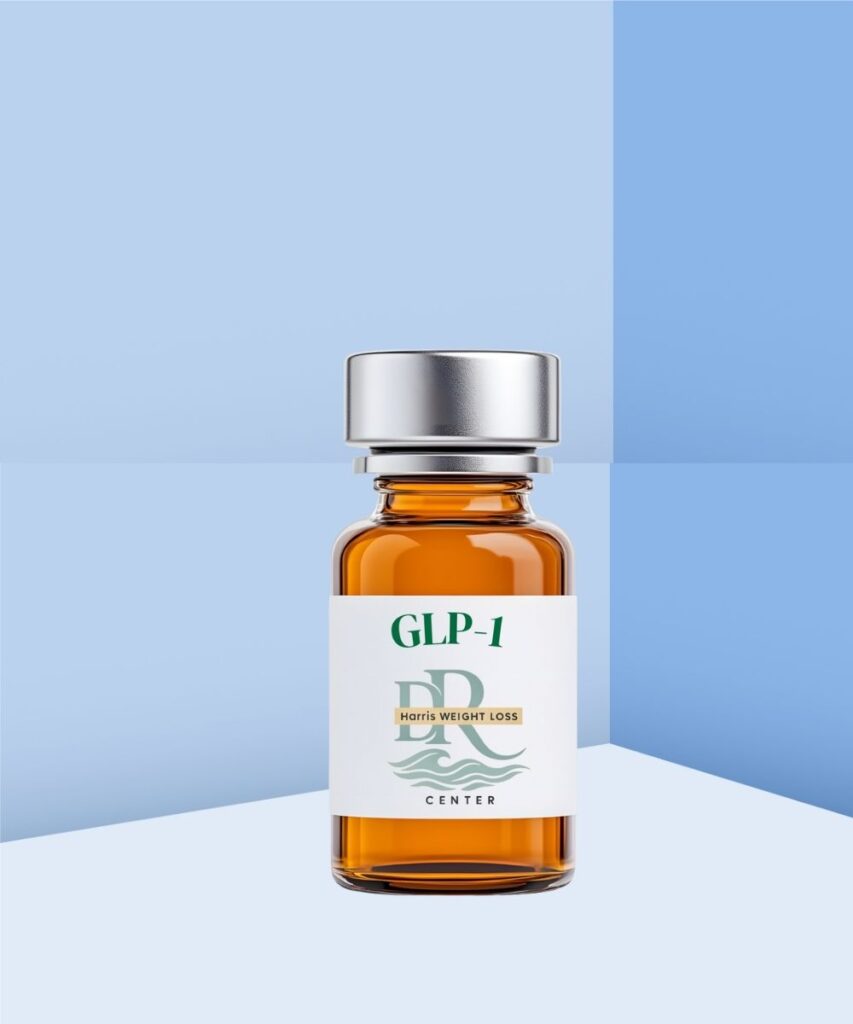
GLP-1 stands for Glucagon-Like Peptide-1, which is a natural hormone your body releases after you eat. This hormone signals your brain that you’re full, helps control appetite, and supports healthy blood sugar levels. GLP-1 medications are prescription treatments that mimic this natural fullness signal, helping reduce cravings and “food noise” throughout the day. By improving how your body responds to food and hunger, GLP-1 therapy can make portion control feel easier and more natural—without relying on willpower alone. These medications are used within a structured medical weight-loss program, where dosing, nutrition, and follow-up are personalized to your needs.
How GLP-1 Differs From Semaglutide
Semaglutide is one specific type of GLP-1 medication, but GLP-1 is the broader category or “family” of medications. Think of it like this: GLP-1 = the category, semaglutide = one medication within that category, similar to how “pain relievers” is the category and “ibuprofen” is one medication. Other medications in the GLP-1 class include liraglutide and tirzepatide (a dual-pathway medication that works on both GLP-1 and GIP receptors). Dr. Harris helps determine which option is best based on your health history, goals, and how your body responds—because each patient may benefit differently depending on metabolism, appetite patterns, and comfort level during dosing.
GLP-1 medications help make weight loss feel more natural and sustainable by working with your body’s own appetite and fullness signals. They help quiet constant food thoughts (“food noise”), reduce hunger between meals, and increase the sense of fullness after eating. This allows patients to feel satisfied with smaller portions without feeling deprived or restricted. Many people also notice more stable energy throughout the day because GLP-1 medications support healthier blood sugar levels and reduce crash-and-crave cycles.
Whole-Body Health Support
Beyond weight loss, GLP-1 medications have benefits that extend into overall metabolic health. They can help lower inflammation, support healthier cholesterol levels, and reduce the strain on the pancreas related to blood-sugar regulation. Over time, this may improve markers linked to heart and metabolic health. When paired with nutrition guidance, hydration, movement, and routine follow-ups, GLP-1 therapy can help patients build healthier habits that last—allowing weight loss to be steady, supported, and sustainable.
GLP-1 medications are generally well-tolerated, and most side effects are mild and temporary, especially during the first few weeks while your body adjusts. Because these medications slow down digestion and help signal fullness, most side effects are related to the digestive system. Dr. Harris uses a “start low, go slow” dosing approach to help minimize discomfort and support a smooth experience.
Common side effects may include:
Early fullness (feeling satisfied sooner while eating)
Bloating or mild stomach discomfort
Heartburn or indigestion
Constipation or, less commonly, loose stools
If symptoms occur, they often improve by eating smaller meals, slowing your pace while eating, drinking plenty of water, and limiting greasy or high-fat foods.
Contact Dr. Harris if you experience:
Persistent vomiting or signs of dehydration (dark urine, dizziness, dry mouth)
Intense or ongoing abdominal pain
Difficulty eating enough to maintain basic nutrition
Any symptoms that feel severe or concerning to you
You are never expected to “push through” discomfort — Dr. Harris can adjust dosage timing, increase steps more gradually, or provide supportive guidance whenever needed.
GLP-1 Medications — What to Know
Structured, physician-guided therapy to reduce hunger, improve fullness, and support glucose control at Dr. Harris Medical Weight Loss.
What They Do
GLP-1 receptor agonists (e.g., semaglutide, liraglutide; dual-pathway options include tirzepatide) mimic natural gut hormones that signal fullness and steady blood sugar.
- ✓Reduce “food noise,” cravings, and portion sizes by enhancing satiety.
- ✓Support steady, sustainable weight loss alongside nutrition and movement.
- ✓Most are once-daily or once-weekly injections; schedules vary by medication.
Who’s a Good Candidate?
Eligibility is individualized after medical evaluation.
- ✓BMI typically ≥30, or ≥27 with weight-related risks (e.g., hypertension, dyslipidemia, sleep apnea).
- ✓Ready for follow-ups, protein-forward eating, hydration (64–80 oz/day), and sleep support.
- ✓No contraindications (e.g., personal/family history of medullary thyroid carcinoma or MEN2, pregnancy).
Why Monitoring Matters
Baseline and follow-up testing improves comfort and outcomes.
- ✓Labs may include CBC/CMP, lipids, A1C; others as indicated.
- ✓Vitals and symptom review to fine-tune dosing and timing.
- ✓Education on meals, hydration, and when to contact the office.
Dosing Overview
“Start low, go slow” to minimize side effects while building results.
- ✓Begin at a low dose; increase gradually based on tolerance and progress.
- ✓Take on the same day each week (for weekly options) for consistency.
- ✓Hold or slow increases if GI symptoms appear—comfort comes first.
Side Effects & When to Call
Most side effects are GI-related and improve with time.
- ✓Common: nausea, fullness/early satiety, heartburn, constipation or loose stool, decreased appetite.
- ✓Tips: smaller meals, slower eating, limit greasy foods, hydrate 64–80 oz/day.
- ✓Call for severe vomiting, signs of dehydration, or intense abdominal pain.
Note on Compounded Versions: If a compounded GLP-1 medication is prescribed, it is prepared by a licensed compounding pharmacy for an individual patient and is not FDA-approved. Dr. Harris will discuss options and monitoring to ensure safety and quality.
YOU COULD SEE REAL RESULTS IN LESS THAN 3 MONTHS
ABOUT 54% of our GLP-1 Patients See a Significant Change in the way their clothes fit in less than 3 months.
What GLP-1 Therapies Are Being Studied Today
While GLP-1 medications are FDA-approved for diabetes and chronic weight management, they are also being actively researched for several other important areas of health. These studies are ongoing — we share them with excitement, but also clarity and honesty.
Brain & Cognitive Health Research Ongoing
Large-scale clinical trials are studying how GLP-1 medications may support memory, cognitive processing, and neurological function.
Early findings suggest GLP-1 may reduce inflammation in parts of the brain involved in memory. These studies are exploring potential benefits for conditions such as Alzheimer’s disease.
Alcohol & Addiction Pathways Emerging Data
GLP-1 medications appear to influence reward and craving signals in the brain. In early human trials, some individuals showed reduced alcohol cravings and lower intake.
These studies are early — not a treatment recommendation — but they offer compelling insight into how appetite, impulse, and reward may be connected.
Inflammation & Joint Health Clinical Interest
Weight reduction reduces mechanical load on joints — which alone can ease symptoms of arthritis. Early research also explores whether GLP-1 may have anti-inflammatory effects in metabolic tissues.
This is a developing area of study, but it aligns with real-world reports of improved mobility and comfort during weight loss.
FAQ
General Questions About GLP-1
We’re all set to tackle your burning questions about GLP-1 medications in a fun and engaging way that makes the information accessible and enjoyable!
What are GLP-1 medications and how do they work?
How soon will I see results?
Do I need to change my diet?
What are common side effects?
How often are injections given?
Do I need labs before starting?
Can I use GLP-1s long-term?
What happens if I stop the medication?
Is it safe with diabetes or high blood pressure?
Do I need a doctor to prescribe it?
Compare Tirzepatide, Semaglutide, Phentermine, and GLP-1 Medications
| Criteria | Tirzepatide (Mounjaro, Zepbound) |
Semaglutide (Ozempic, Wegovy, Rybelsus) |
Phentermine (Adipex-P, Lomaira) |
GLP-1 Class (General) |
|---|---|---|---|---|
| BMI Eligibility | ≥30, or ≥27 with comorbidity | ≥30, or ≥27 with comorbidity | ≥30, short-term use only | Varies by drug, typically ≥30 |
| Mechanism of Action | Dual GIP & GLP-1 receptor agonist | GLP-1 receptor agonist | Appetite suppressant (stimulant) | GLP-1 receptor modulation |
| Average Weight Loss | 15–22% over 72 weeks | 10–15% over 68 weeks | 5–8% over 12 weeks | Varies by agent (10–20%) |
| Dosage Frequency | Once weekly injection | Once weekly injection or daily oral | Daily oral tablet | Once weekly (most common) |
| Common Side Effects | Nausea, constipation, fatigue | Nausea, diarrhea, headache | Insomnia, dry mouth, restlessness | GI discomfort, nausea |
| Tolerance / Duration | Long-term, sustained tolerance | Long-term, sustained tolerance | Short-term (≤12 weeks) | Long-term management |
| Average Monthly Cost | $1,000–$1,200 | $900–$1,100 | $30–$50 | $900–$1,200 |
| FDA Approval Year | 2022 | 2017 | 1959 | 2005–present (class) |
| Brand Names | Mounjaro, Zepbound | Ozempic, Wegovy, Rybelsus | Adipex-P, Lomaira | Trulicity, Victoza, Saxenda |
| Ideal Patient Type | Obesity + type 2 diabetes | Obesity + prediabetes or T2D | Short-term weight reduction | Chronic weight management |