Compounded Tirzepatide (Zepbound)
- Home
- About
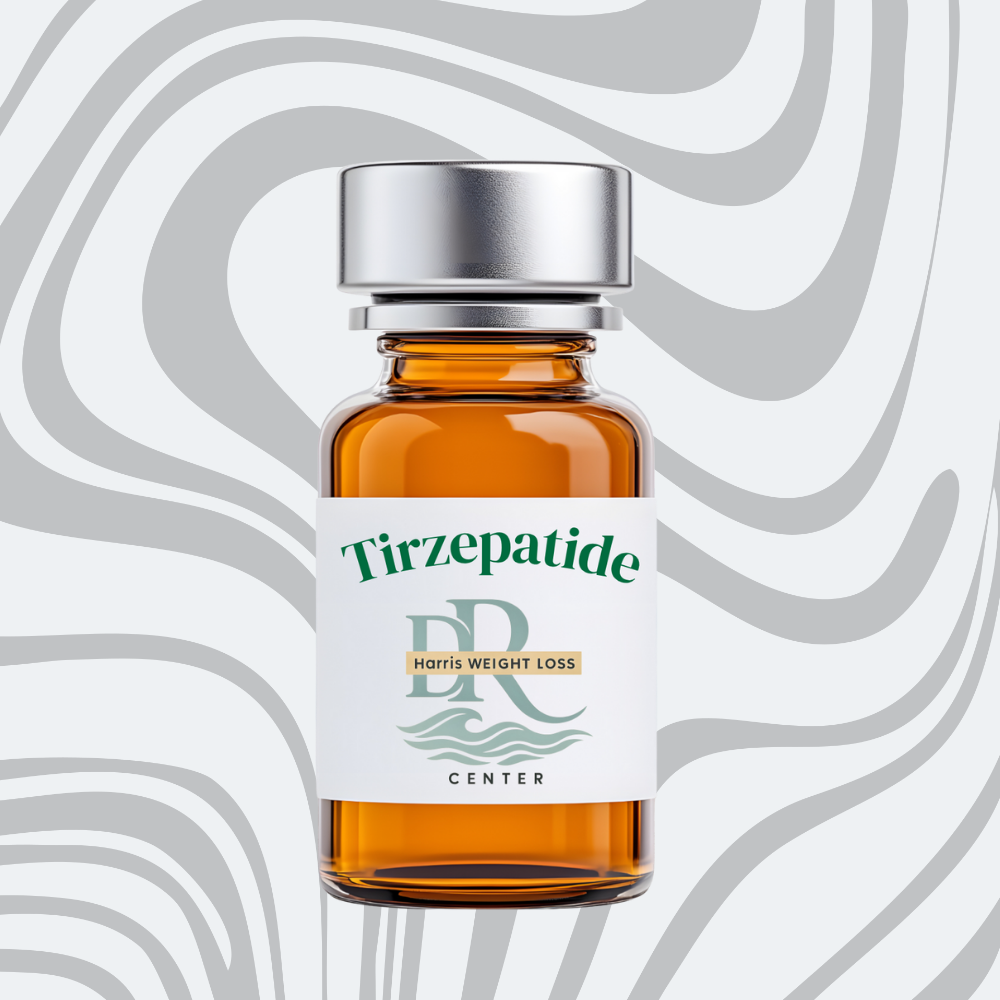
Compounded tirzepatide is a custom-made version of the same type of medication found in name-brand options like Zepbound™ and Mounjaro®. It is designed to support weight loss by helping regulate two important hormones in the body—GIP and GLP-1—that control appetite, blood sugar, and how full you feel after meals. By targeting these pathways, tirzepatide can help reduce hunger, improve portion control, and support steady, sustainable weight loss over time. Compounded tirzepatide is prepared by licensed compounding pharmacies specifically for individual patient use, based on a prescription from Dr. Harris.
How Is Compounded Tirzepatide Different?
Unlike mass-produced medications you find at retail pharmacies, compounded tirzepatide is formulated in smaller batches according to very specific quality and safety standards. This allows it to be available even when commercial brands are in limited supply and makes it possible for healthcare providers to tailor dosing to a patient’s needs. While compounded medications are not FDA-approved, they are commonly used in medical practice when appropriate and are dispensed by licensed compounding pharmacies that follow strict regulatory guidelines. Dr. Harris will assess your personal health history, weight-loss goals, and lab results to determine if compounded tirzepatide is right for you.
Compounded tirzepatide can offer powerful support for weight loss because it works with your body’s natural hunger and fullness signals. Patients often report feeling full sooner, fewer cravings, and more control over snacking or emotional eating. This helps create steady, sustainable weight loss without extreme dieting. Tirzepatide also supports healthier blood sugar levels, which can help reduce inflammation, improve energy, and support overall metabolic health.
Another key benefit of the compounded version is flexibility. When a medication is compounded, the dose can be adjusted more gradually based on how your body responds—allowing Dr. Harris to personalize your treatment plan. Compounding pharmacies can also prepare tirzepatide even when commercial versions are in limited supply, making treatment more accessible. For many patients, this means consistent therapy, customized dosing, and a more comfortable, supportive approach to long-term weight management.
Like any medication, compounded tirzepatide can cause side effects, especially when your body is first adjusting to treatment. Most side effects are mild and temporary and tend to improve as your dose is slowly increased. The most common symptoms are related to the digestive system because tirzepatide slows down how quickly the stomach empties. Dr. Harris starts patients on a low dose and increases gradually to help minimize discomfort. Staying hydrated, eating smaller meals, and avoiding high-fat or heavy foods can also make a big difference.
Common side effects may include:
Nausea or upset stomach
Bloating or gas
Heartburn or indigestion
Constipation or less frequent bowel movements
Mild diarrhea
Reduced appetite
Fatigue during the first 1–2 weeks of dose changes
In rare cases, more serious side effects can occur, and it’s important to let Dr. Harris know if anything feels severe or does not improve. You should also report ongoing vomiting, signs of dehydration, or intense abdominal pain. Dr. Harris will monitor your progress closely and adjust your dosing schedule to help ensure you are comfortable, supported, and safe throughout your treatment.
Tirzepatide — What to Know
Dual-pathway weight-loss support that helps reduce appetite, increase fullness, and improve metabolic balance — guided and monitored by Dr. Harris.
What It Does
Tirzepatide works on **two hormones** (GLP-1 and GIP) to help control appetite, fullness, and blood sugar.
- ✓Reduces cravings and “food noise” throughout the day.
- ✓Helps you feel full sooner and stay full longer.
- ✓Once-weekly injection with gradual dose increases.
Who’s a Good Candidate?
Assessment and eligibility are individualized.
- ✓BMI ≥30, or ≥27 with weight-related health factors.
- ✓Willing to follow nutrition guidance and hydration goals.
- ✓No contraindications (Dr. Harris will review history + labs).
Monitoring & Support
Regular follow-ups ensure safety, comfort, and progress.
- ✓Baseline labs may include CMP, A1C, lipids, CBC.
- ✓We adjust dosing gradually based on your response.
- ✓Nutrition & hydration coaching to minimize side effects.
Dosing Overview
Slow and steady dosing keeps you comfortable.
- ✓Start at a low weekly dose and increase slowly.
- ✓Take on the same day each week for consistency.
- ✓We may pause or hold increases if needed.
Side Effects & When to Call
Most are mild and improve as your body adjusts.
- ✓Nausea, fullness, heartburn, bloating, constipation.
- ✓Eat smaller meals, eat slowly, and hydrate 64–80 oz/day.
- ✓Call if vomiting, dehydration symptoms, or strong pain.
Note on Compounded Tirzepatide: If a compounded version is used, it is prepared by a licensed compounding pharmacy and is not FDA-approved. Dr. Harris will guide dosing, monitoring, and clinical oversight to ensure safety.
Tips & Information
Healthy Insights For Our Tirzepatide Patients
very medication takes time for the body to adapt, and tirzepatide is no exception. Some patients may experience mild side effects as their system adjusts, and these can vary from person to person. This is a normal part of the process. The goal is to help your body ease into treatment while supporting your appetite, metabolism, and weight loss in a steady and healthy way.
To help you feel confident and supported throughout your journey, we’ve put together simple guidance and helpful tips. These will show you what to expect, how to manage mild side effects, and how to get the most benefit from your tirzepatide treatment. Understanding how your body responds—and knowing what’s normal—can make your experience smoother and your results stronger. You’re not doing this alone — we’re here to help you every step of the way.
Dosing Tirzepatide
- Start Low, Go Slow: We begin with a low dose to allow your body time to adjust comfortably and minimize side effects.
- Gradual Increases: Your dose is increased slowly over several weeks based on how you are feeling and responding to treatment.
- Personalized to You: Dosing is not “one size fits all.” We adjust your dose to match your hunger levels, weight-loss progress, and tolerance.
- Regular Check-Ins: We monitor your progress and symptoms closely at each follow-up to determine if it’s time to adjust your dose or maintain your current level.
- Consistency Matters: Injections are taken once per week on the same day each week for the best results and steady appetite control.
- Comfort + Support: If side effects occur, we may pause at a dose or slow the increase to ensure you stay comfortable, supported, and successful.
Diet & Hydration
- Prioritize Protein: Eating lean protein at each meal helps maintain muscle mass, supports metabolism, and keeps you fuller longer while weight is coming off.
- Small, Slower Meals: Because tirzepatide slows digestion, smaller bites and slower eating help prevent nausea and make meals more comfortable.
- Focus on Whole Foods: Choose balanced meals with vegetables, lean proteins, and healthy carbs to fuel your body without overwhelming your stomach.
- Stay Hydrated Daily: Aim for at least 64–80 oz. of water per day. This supports digestion, reduces fatigue, and helps prevent constipation while on the medication.
- Avoid Heavy + Fried Foods: Greasy or rich meals can cause nausea while your body is adjusting to tirzepatide — lighter meals are easier to tolerate.
- Listen to Your Hunger Cues: This medication helps reset appetite — eat when you’re hungry and stop when you feel satisfied, even if that means smaller portions
When To Speak to Dr. Harris
- If nausea, bloating, or stomach discomfort becomes persistent and doesn’t improve with smaller meals, hydration, or time.
- f you experience severe vomiting, dehydration symptoms (very dark urine, dizziness, dry mouth), or are unable to keep fluids down.
- If you notice intense or ongoing abdominal pain, especially if it is sharp or centered in the upper or right side of the stomach.
- If you feel excessively weak, faint, or unusually tired beyond the normal adjustment period.
- f your appetite becomes extremely low and you are having difficulty meeting basic nutrition needs.
- If you have any questions, concerns, or are unsure about how to take your dose — no matter how small the question may seem.
Compare Tirzepatide, Semaglutide, Phentermine, and GLP-1 Medications
| Criteria | Tirzepatide (Mounjaro, Zepbound) |
Semaglutide (Ozempic, Wegovy, Rybelsus) |
Phentermine (Adipex-P, Lomaira) |
GLP-1 Class (General) |
|---|---|---|---|---|
| BMI Eligibility | ≥30, or ≥27 with comorbidity | ≥30, or ≥27 with comorbidity | ≥30, short-term use only | Varies by drug, typically ≥30 |
| Mechanism of Action | Dual GIP & GLP-1 receptor agonist | GLP-1 receptor agonist | Appetite suppressant (stimulant) | GLP-1 receptor modulation |
| Average Weight Loss | 15–22% over 72 weeks | 10–15% over 68 weeks | 5–8% over 12 weeks | Varies by agent (10–20%) |
| Dosage Frequency | Once weekly injection | Once weekly injection or daily oral | Daily oral tablet | Once weekly (most common) |
| Common Side Effects | Nausea, constipation, fatigue | Nausea, diarrhea, headache | Insomnia, dry mouth, restlessness | GI discomfort, nausea |
| Tolerance / Duration | Long-term, sustained tolerance | Long-term, sustained tolerance | Short-term (≤12 weeks) | Long-term management |
| Average Monthly Cost | $1,000–$1,200 | $900–$1,100 | $30–$50 | $900–$1,200 |
| FDA Approval Year | 2022 | 2017 | 1959 | 2005–present (class) |
| Brand Names | Mounjaro, Zepbound | Ozempic, Wegovy, Rybelsus | Adipex-P, Lomaira | Trulicity, Victoza, Saxenda |
| Ideal Patient Type | Obesity + type 2 diabetes | Obesity + prediabetes or T2D | Short-term weight reduction | Chronic weight management |
Take $100 Off First Appointment
Start Your Weight loss today with our Holiday Sale and Take $100 Of Your First Visit With Dr. Harris Medical